All I Want for Christmas is a Nap Shirt Review
First Impression and the Mood It Creates
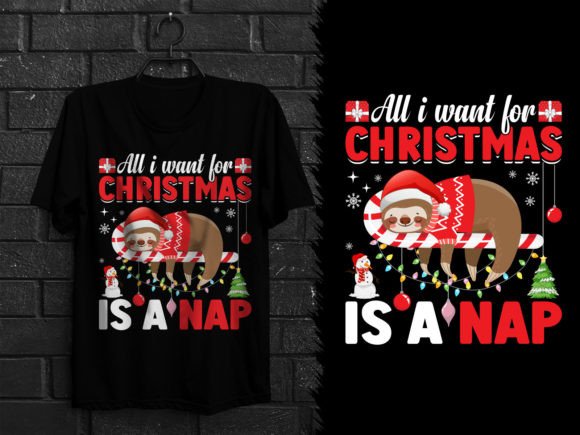
When I first looked at All I Want for Christmas is a Nap Shirt, the mood hit me immediately. This is not your typical sparkly, over-decorated holiday design. It carries a wink of humor wrapped in cozy honesty. The phrase itself captures something deeply relatable during the holiday chaos. Everyone talks about toys, gadgets, and grand gestures, but plenty of people just want rest. That quiet longing for a nap, printed or stitched onto a shirt, creates an instant emotional connection.
From a design reviewer's perspective, the personality of this graphic leans into the casual comfort side of Christmas. It does not try too hard. It does not scream with glitter or overworked typography. The charm sits in its simplicity and the truth behind the words. For embroidery designers and small shop owners, this matters because customers buy feelings, not just thread on fabric. All I Want for Christmas is a Nap Shirt sells the feeling of being seen, of shared exhaustion, and of gentle holiday humor.
The layout of the design, while I have not stitched it yet, appears to rely on readable text placement and a relaxed visual rhythm. That is a good sign. Overly intricate graphics can turn into a digitizing disaster, but a phrase-based design with clean shape typically translates well into machine embroidery design files. The lettering style, whether playful or soft, will set the final tone. If the letterforms are too thin, small, or tightly spaced, the stitch density might create puckering on lightweight fabric. If they are bold and rounded, the satin stitch coverage will look plush and professional.
Where This Design Naturally Belongs
I can already picture All I Want for Christmas is a Nap Shirt on a soft, heather-gray sweatshirt. Not a stiff, structured hoodie, but a worn-in, cozy crewneck that someone throws on after a long day of wrapping gifts. That is its natural habitat. The design would also feel right at home on a tote bag design meant for carrying holiday pajamas, a book, and maybe a travel pillow to a family gathering.
Beyond apparel, I would consider this for pillow covers. A linen or cotton-blend pillow cover with this phrase stitched in deep navy or muted burgundy thread could become a bestselling holiday decor item in a craft business or Etsy shop. The irony of napping on a pillow that announces your desire for a nap is not lost on me, and customers love that kind of playful detail.
For baby embroidery or nursery decor, a softened version of this design on a tiny blanket or a baby onesie could be unexpectedly charming. New parents during the holidays are the exact audience who would laugh and nod at this sentiment. The design crosses generational lines because exhaustion is universal. A personalized gift featuring this phrase on a kitchen towel or apron also makes sense, especially for the person in the family who does all the cooking and just wants a break.
Real Stitching Considerations That Matter
Before loading All I Want for Christmas is a Nap Shirt into my embroidery machine, I would run through a mental checklist that every experienced embroiderer knows. The first question is always about hoop size. If the design is wider than my standard 4x4 hoop, I need to plan accordingly for larger hoops or split designs. The product description does not specify exact dimensions, so I would strongly advise checking the design's sizing information before purchasing the embroidery file.
The second consideration is fabric texture. On plush or textured surfaces like fleece, terry cloth, or chunky knit, small text and fine details can sink and disappear. If this design includes delicate serifs, thin connecting strokes, or tiny decorative accents, those elements may not survive the stitch-out on textured backgrounds. I would test first on a smooth, medium-weight cotton or a cotton-poly blend to see how the running stitch and satin stitch sections behave before moving to trickier fabrics.
Stretchy fabrics like jersey cotton, ribbed knit, or performance blends demand extra caution. Without proper stabilizer, even a well-digitized design can warp, shift, or develop gaps. A cut-away stabilizer provides lasting support for custom apparel that will endure washing and wearing. For a tote bag or non-stretch canvas, a tear-away stabilizer often suffices and keeps the back side cleaner.
Thread Color Choices and Contrast Factors
One detail that can elevate or sink a stitched version of All I Want for Christmas is a Nap Shirt is thread color selection. A phrase-centered design lives or dies by readability. If the thread blends into the fabric, the humor and message get lost. On light fabrics, deep forest green, charcoal, navy, or rich plum thread creates crisp contrast without feeling harsh. On dark fabric, cream, soft gold, warm white, or muted blush tones maintain legibility while keeping the cozy vibe intact.
I often recommend testing the design in a black-and-white mockup before committing thread. This trick reveals whether contrast holds up without color distraction. If the design disappears in grayscale, it will struggle on certain fabric backgrounds in real life. A fill stitch element that looks solid on screen may feel heavy and stiff on a garment if the density is too high. This is where a test stitch on scrap fabric becomes non-negotiable.
Metallic threads are tempting for holiday designs, but they introduce their own challenges. Breakage, tension issues, and a scratchy feel against skin are common complaints. If I wanted a subtle sparkle for a holiday embroidery piece, I would consider a metallic accent only on a small decorative element, not the main lettering, unless the digitizing specifically accounts for metallic thread behavior.
A Real Project Scenario to Learn From
Let me walk you through a realistic situation because this is where good design judgment happens. I recently prepared a batch of embroidered patch designs for a local holiday market. One of my customers requested something funny and relatable for a cozy lounge set. I pulled up All I Want for Christmas is a Nap Shirt and immediately thought of stitching it onto a soft, oversized sweatshirt in oatmeal beige.
I tested the design on a scrap piece of the same French terry fabric using a medium-weight cut-away stabilizer. The lettering stitched cleanly, but I noticed that a few thin connectors between letters wanted to pull slightly on the textured surface. I adjusted my machine speed down and added a light water-soluble topper to keep the stitches sitting on top of the fabric rather than sinking in. The result looked professional, and the phrase read clearly from several feet away. This is the kind of practical tweak that separates a handmade item that sells from one that sits in inventory.
For a second variation, I stitched the same design onto a natural canvas tote bag using olive green thread. The flat weave of the canvas gave the satin stitch a smooth, almost polished finish. That tote bag sold within the first two hours of the market. Customers picked it up, read it, smiled, and said things like, "This is me." That reaction is exactly what a well-chosen design should spark.
How This Design Affects Customer Perception and Product Value
A clever phrase like All I Want for Christmas is a Nap Shirt does more than decorate fabric. It signals to buyers that the maker understands them. In a crowded holiday market, where every table has snowflakes and reindeer, a honest and funny sentiment stands apart. This directly impacts product value because customers pay for connection, not just construction.
When I evaluate a design for potential Etsy seller use or small shop product lines, I think about how it photographs. Designs with clear, bold text tend to perform better in listing photos, especially on mobile screens where shoppers scroll quickly. A cluttered or overly detailed design can look muddy in a thumbnail. All I Want for Christmas is a Nap Shirt, assuming the lettering has adequate size and spacing, should present cleanly in a printable mockup or styled flat lay. That clarity builds customer trust before they even click.
I would also consider the giftability factor. This design works as a standalone funny gift for a friend, sibling, coworker, or parent. It does not require personalization to feel personal. The message itself does the heavy lifting. For craft fair products, items that require zero explanation sell fastest, and this phrase needs no setup. The laugh is immediate.
Small Details That Can Trip You Up
Even a well-loved design has potential pitfalls, and I always share these honestly. If All I Want for Christmas is a Nap Shirt contains very small decorative elements, such as tiny stars, dots, or thin swirls, those may not stitch cleanly at smaller sizes. Stitch density in tight corners can cause thread buildup, needle breaks, or visible perforation on thin fabric. Lightweight cotton, inexpensive t-shirt blanks, and loosely woven linen blends are especially unforgiving with dense stitching.
Curved surfaces like caps and hats require extra care. The center of a cap has a seam that runs vertically, and stitching over that ridge can distort letter alignment. If the design is wide or has a horizontal layout, it might wrap awkwardly around the cap's curve. For cap embroidery, I would either scale the design down to fit the front panel cleanly or choose a flatter surface like a beanie cuff or a bucket hat brim.
Frequent washing is another practical consideration. A finished product like a sleep shirt or lounge tee bearing this phrase will likely go through the laundry often. Thread quality, stabilizer choice, and stitch type all determine how well the design holds up over time. I always recommend a gentle wash cycle, turned inside out, and low-heat drying for embroidered garments, but customers do not always follow care instructions. Designing for durability from the start protects your brand consistency and reduces returns or complaints.
Licensing and Commercial Use Awareness
Before offering All I Want for Christmas is a Nap Shirt on finished products in a commercial embroidery context, I need to pause and address licensing. The product description states that the design comes from a T-Shirt Design Store and is described as unique. What I do not see, and what every responsible maker must verify, is the explicit commercial use permission. Can I stitch this onto items I sell? Can I include it in a digital embroidery file bundle? Can I use it in design assets for a larger product line?
These questions are not optional. Even with a purchased file, usage rights vary. Some designers allow personal use only. Some permit limited commercial use with attribution or a cap on quantities. Others offer full commercial rights. I strongly recommend reaching out to the store owner, checking the listing details thoroughly, and keeping a record of the license terms before investing time and materials into a production run. Protecting your craft business means protecting yourself legally.
Seasonal Timing and Selling Strategy
Holiday designs have a compressed selling window, and timing matters. If you plan to feature All I Want for Christmas is a Nap Shirt in your shop, list finished products early. Shoppers looking for funny Christmas apparel, handmade product gifts, and boutique holiday items start browsing weeks before December. Having stitched samples ready, photographed beautifully, and listed with clear tags gives you an edge.
I would also consider grouping this design with other humorous or comfort-themed designs to create a mini collection. A "Holiday Self-Care" line with this nap shirt design, a coordinating mug motif, and a matching pillow cover design could encourage multiple-item purchases. Bundling increases average order value and helps a small shop product lineup feel intentional rather than random.
What to Check Before Your First Stitch
Here is a practical pre-stitch checklist I rely on when working with any new design like All I Want for Christmas is a Nap Shirt:
- Test on scrap fabric that matches your final product material as closely as possible
- Check thread color contrast in natural daylight, not just under artificial lighting
- Review stitch density by feeling the back of the test stitch, excessive stiffness means density is too high
- Confirm hoop size compatibility with your machine before purchasing the file
- Examine small lettering, thin strokes, and decorative accents at actual stitch size
- Test on both light and dark fabric backgrounds if you plan to offer color options
- Use appropriate stabilizer for the fabric type, do not skip this step
- Run a wash test on your stitched sample to check durability and shrinkage
- Verify commercial licensing if you intend to sell finished items or digital products
- Photograph the finished piece in good light for your shop listing or portfolio
Final Design Judgment from the Embroidery Table
After thinking through All I Want for Christmas is a Nap Shirt from every practical angle, the design earns its place in a thoughtful maker's collection. The concept is strong. The humor lands. The seasonal relevance is obvious without being cliché. It suits a wide range of products, from custom apparel and sweatshirt embroidery to home decor and personalized gift items.
The main areas requiring attention are the same as with any text-based design: lettering clarity, stitch density, stabilizer choice, and fabric compatibility. Rushing into production without a test stitch could lead to disappointing results, especially on textured or stretchy surfaces. But with proper preparation, this design can produce finished pieces that feel professional, relatable, and genuinely enjoyable to give or receive.
For embroidery designers, Etsy sellers, hobbyists, and creative entrepreneurs looking for a holiday design that does not blend into the background noise of generic Christmas graphics, this one offers a refreshing pivot toward comfort and humor. The name says it all. Sometimes the best gift is rest, and a shirt that admits that truth out loud has a quiet kind of staying power.