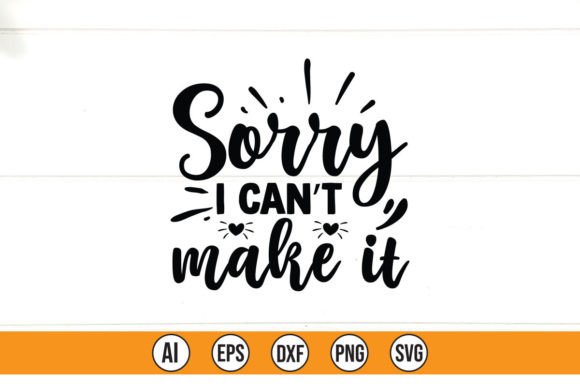
Sorry I Can't Make It: A Design Built for Apology Gifts
I’m looking at this Sorry I Can't Make It SVG Cut File not as a static graphic, but as a blueprint for a tangible, stitched project. As a designer who regularly turns digital files into embroidered realities, my first question is always: will this translate well to thread and fabric? Let’s walk through that.
The Immediate Mood & Practical Personality
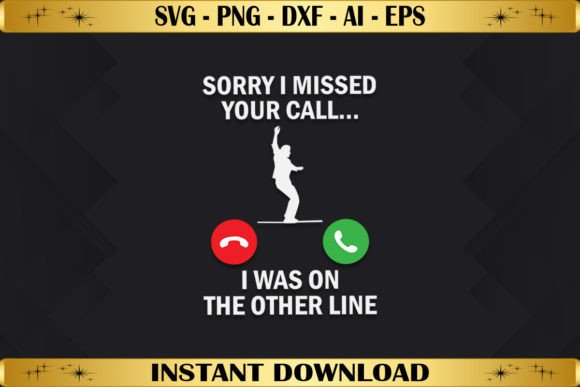
Right away, the design sets a tone. It’s playful, slightly informal, and carries a clear, communicative purpose. This isn’t abstract art; it’s functional text with personality, perfect for when you need to send a message with a soft touch. The layout and theme suggest it belongs on products meant as lighthearted apologies or casual explanations—a missed party, a changed plan, a “wish I could be there” moment. For embroidery, this means we’re aiming for a friendly, handmade feel rather than stark corporate branding.
Where This Design Finds Its True Home
In my studio, I’m imagining this design stitched onto a custom tote bag for a friend who couldn’t attend a weekend getaway. Or, more commercially, as a series of embroidered patches or tea towels for a small shop selling quirky, relatable kitchen gifts. The application is broad:
- Personalized Gifts: Embroidered onto a cozy sweatshirt or a pillow cover as a specific, humorous gift for someone you had to cancel on.
- Small Business Merchandise: This design could become a staple for a craft business selling apology-themed apparel or home goods at a craft fair. Its direct message resonates.
- Baby & Nursery Items: On a baby blanket or bib, it becomes a funny message from a parent who’s “missing” adult social events, adding a layer of personality to a standard product.
- Kitchen & Homewares: An embroidered apron or kitchen towel with this phrase makes for a great, conversational boutique product.
The key is that the design’s value increases when it’s applied to a physical item someone can use or wear—the embroidery makes the message feel more considered and permanent than a quick text.
Navigating the Embroidery Process: Practical Considerations
When I prep this Sorry I Can't Make It SVG Cut File for my machine, I’m thinking through real execution. The included file formats—AI, EPS, SVG, DXF, PNG—are crucial for scaling and editing before converting to an embroidery file. The high-resolution PNG and JPG mockups are invaluable for creating listing photos for my Etsy shop or for client previews.
Focus Areas for Stitching Success
For clean embroidery, I’d pay close attention to the lettering and any decorative elements. Small, intricate details in the text can become challenging at very small hoop sizes. I’d recommend:
- Testing on scrap fabric first, especially if planning to use it on stretchy fabrics like t-shirts or textured fabrics like a tote bag. Stabilizer choice is paramount.
- Checking thread color contrast against your background fabric. On dark fabrics, a bold satin stitch in a light color might be needed for clarity.
- Reviewing the stitch density in your converted embroidery file. Dense fill areas in larger letters should be balanced to avoid stiffness on softer garments.
Where to Use with Extra Care
This design would need a thoughtful approach on curved surfaces like caps, where the text layout might need adjustment to fit the contour. Also, on thin fabrics or items that require frequent washing (like baby clothes or kitchen towels), ensuring the embroidery is secure and the stitches are durable is key to maintaining that handmade presentation and customer trust.
The Impact on Your Project & Your Customer
Ultimately, using this file isn’t just about stitching a phrase; it’s about crafting an experience. A well-embroidered Sorry I Can't Make It item feels personal. It elevates a simple apology into a tangible, thoughtful gesture. For your small business, it contributes to brand consistency if you specialize in conversational, lifestyle products. It boosts giftability and recognition—the recipient knows it wasn’t a mass-produced item.
From a commercial perspective, the design’s clarity and the provided high-quality mockups directly affect buyer engagement in your online listings. A professional-looking mockup created from the provided JPG, showing the design on a realistic sweatshirt or tote, builds customer confidence in your finished product.
A Designer’s Final Notes Before Hooping Up
Before I run this job, my checklist is practical:
- I convert the SVG file to my embroidery machine format, checking that all details translate cleanly and no corners are too sharp for smooth stitching.
- I test the design in both a black and white mockup (using the transparent background PNGs) to visualize it on light and dark backgrounds.
- I confirm the licensing for the file—since it’s provided as a graphics product, I ensure my intended use (personal gift or commercial sale of the finished embroidered item) is covered.
- I consider thread colors. The mood is playful, so I might choose brighter, friendly colors rather than formal blacks or greys.
The Sorry I Can't Make It SVG Cut File is a strong, purpose-driven design asset. Its real value is unlocked when you pair it with thoughtful fabric choice, quality embroidery execution, and a clear understanding of the person or market who will receive the final product. It’s a design that speaks, and with careful stitching, it speaks with charm and craftsmanship.