A Designer's Look at the "Yes I Am a Trader" Embroidery File
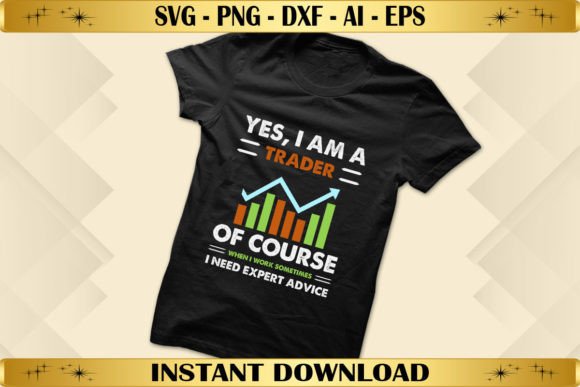
Whenever I’m reviewing an embroidery file for potential real project use, my first question is always about personality. Does this design have a clear voice? The Yes I Am a Trader of Course I Talk graphic answers that immediately. It’s confident, conversational, and carries a vibe of self-aware professionalism. It doesn’t shout; it states. For embroidery designers and makers looking for something beyond generic quotes, this offers a specific mood—it feels like it belongs on the gear of someone who’s serious about their craft but doesn’t take themselves too seriously.
The Natural Project Fit: Where This Design Thrives
I immediately pictured this on a well-made tote bag or a heavyweight sweatshirt. The phrase has a casual, workday feel, making it perfect for custom apparel meant for use, not just display. Imagine a client requesting a personalized gift for a finance-savvy friend or a small business owner wanting to create branded merchandise for their team. This design would stitch out beautifully on those items. The straightforward, declarative text would also work brilliantly as a clean embroidered patch, allowing for application on caps, aprons, or even a laptop sleeve. For baby items or nursery decor, it’s probably too niche, but for boutique products aimed at adults—think a kitchen towel for a home cook who loves trading or a pillow cover for a den—it adds a layer of personalized humor.
In terms of visual appeal and stitching clarity, the key will be execution. The design’s strength is in its message, so a clean, crisp satin stitch for the lettering would elevate its handmade presentation. On a dark fabric like a navy sweatshirt, using a bright, contrasting thread color would make it pop and feel professional. On a light fabric, like a natural canvas tote, it could be rendered in a classic navy or black for a more understated, trusted look.
Careful Considerations for Stitching Success
This isn’t a design I’d automatically throw onto a tiny, curved surface like a cap’s front panel without testing. The lettering, depending on its final rendered size, could have detail levels that require a sufficiently large hoop to maintain clarity. On very textured or stretchy fabrics, like certain knit t-shirts, a robust stabilizer would be non-negotiable to prevent distortion of the text, which is the core of the design’s value. Similarly, layered garments with collars or seams might require planning the placement to avoid awkward overlaps.
One of the smartest things you can do as an embroidery designer working with a file like this is to test it on scrap fabric first. Run it in the intended hoop size on both a light and dark scrap that mimics your final product fabric. Check the stitch density—is it too dense for a thin fabric, risking stiffness? Are the smallest details, like potential gaps between words, stitching cleanly? This pre-check saves heartache on the final product and ensures the finished item feels high-quality to a customer or gift recipient.
How It Translates to Business and Customer Trust
From a craft business perspective, this design has clear appeal for digital product sellers and Etsy sellers offering custom embroidery. It’s a ready-made design asset that speaks to a specific audience. When used in a small shop product, like an embroidered tea towel or a custom hoodie, it creates a sense of brand consistency if your shop caters to professionals, hobbyists, or those in the trading community. It feels giftable because it’s personal without being overly sentimental.
For commercial embroidery projects, such as creating uniforms or promotional items for a trading firm, its straightforward message could foster team recognition. However, always confirm the licensing terms provided with the file before selling finished items or using it in commercial client work. The product description lists the included files—SVG, PNG, DXF, AI—which are excellent for versatility, but the license details are the crucial final step.
Practical Designer Notes for Real-World Use
- Use the provided vector files (like the SVG and AI) to scale the design to your exact needs without quality loss before converting to your embroidery file format.
- Consider thread color contrast as part of the design’s mood. Bright colors on dark fabric feel bold and modern; subdued colors on light fabric feel classic and reliable.
- For products that will need frequent washing, like sweatshirts or kitchen towels, consider a slightly reduced stitch density in very filled areas to enhance durability and prevent puckering.
- When creating printable mockups for your online shop, showing the design on a range of products—a tote, a sweatshirt, a cap—helps customers visualize its application.
- Remember that the design’s impact comes from its words. Ensure your machine embroidery settings render the text with utmost clarity, as any fuzziness on small lettering could undermine the confident message.
Ultimately, Yes I Am a Trader of Course I Talk is a graphic with a strong, applicable personality. It’s not for every project, but for the right one—a custom embroidered gift for a trader, a boutique’s line of conversational apparel, or a personalized patch for a professional—it can stitch out into something that feels authentic, engaging, and thoughtfully made. That’s the kind of finished product that builds customer trust and makes your embroidery work stand out.